There’s a debate that resurfaces in every digital marketing forum, boardroom, and agency pitch deck: should we invest in SEO or social media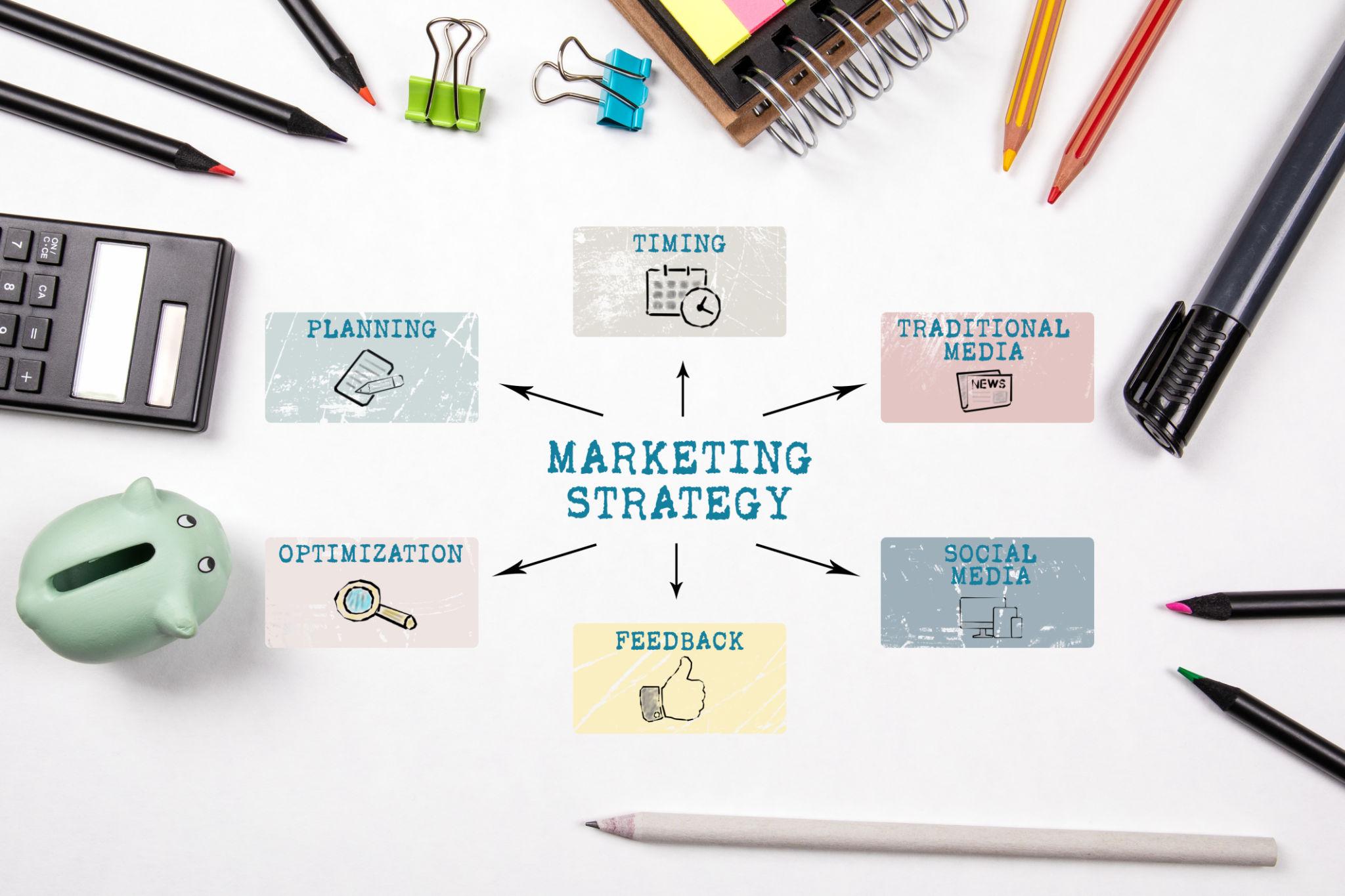
In 2026, treating SEO and social media as competing priorities is like arguing whether your heart or your lungs are more important. Both keep you alive. Both work better because the other exists. And cutting either one short doesn’t just weaken that channel it weakens your entire digital presence.
The brands quietly dominating their markets right now are not choosing between SEO and social media. They’ve built an integrated system where each channel feeds the other where social amplifies the content that earns organic authority, and organic authority builds the brand credibility that makes social content more persuasive. Together, they generate compounding brand visibility, deeper engagement, and wider organic reach than either strategy could ever produce alone.
This is the guide that explains exactly how that integration works and how to build it for your business.
The Big Picture: Why the SEO vs. Social Debate Is Over
Let’s start with the honest version of where both channels stand.
SEO alone has a weakness. Building organic rankings takes months. New content rarely ranks competitively before the 3–6 month mark. SEO captures demand that already exists people searching for something specific but it does nothing to create demand or introduce your brand to people who don’t yet know they need you.
Social media alone has a weakness. It generates attention and engagement in the moment, but that visibility doesn’t compound. The moment you stop posting, your reach collapses. Unlike a well-ranked blog post that drives traffic at 2am on a Sunday, a social post has a lifespan measured in hours. And organic social reach on most platforms has declined significantly as algorithms increasingly prioritise paid content.
Together, they’re complete.
SEO captures the people who are actively searching for what you offer. Social media creates awareness and demand before that search moment arrives. SEO gives your brand compounding, always-on visibility. Social media gives it immediacy, personality, and community.The smartest digital marketing strategy in 2026 doesn’t pick between them. It builds a system where both work in concert and understanding the precise mechanisms that connect them is where the real competitive advantage lives.
How Social Media Directly Supports Your SEO Performance
Let’s be clear on one thing upfront: Google does not use social media likes, shares, or follower counts as direct ranking signals. This has been confirmed repeatedly. Your Instagram following size will not directly move your position in the SERPs.But here’s what research and real-world data consistently show: pages and brands with strong social media presence almost always rank better than those without one. That’s not a coincidence. It’s the result of a series of powerful indirect connections that every serious digital marketer needs to understand.
1. Social Media Accelerates Content Discovery and Indexing
When you publish a new piece of content on your website, Google’s crawlers need to discover it before they can index it. This process can take days or even weeks for less-established websites.
Social media short-circuits that delay. When you share a new blog post on LinkedIn, Twitter/X, or Facebook, it immediately generates traffic. Google’s crawlers follow traffic signals popular content gets discovered and indexed faster. What might have taken three weeks to be indexed organically can be crawled within hours when social sharing drives early traffic.
2. Social Amplification Generates the Backlinks That SEO Demands
Backlinks remain one of the strongest ranking signals in Google’s algorithm. And here is a connection that most businesses miss entirely: social media is one of the most powerful backlink generation mechanisms available.The logic is straightforward. When you share a genuinely valuable article on social platforms, it reaches journalists, bloggers, researchers, and content creators who might never have found it through organic search alone. When those people reference your content in their own writing, they link back to your website.A well-researched article published and then shared with no one has almost no chance of earning backlinks organically.
3. Social Visibility Drives Branded Searches – A Powerful Trust Signal
Here’s one of the most underappreciated connections between SEO and social media: when your brand maintains consistent, visible social media activity, more people search for you by name on Google.
Branded searches when users type your company name directly into Google are a strong trust signal. They indicate to Google’s algorithm that your brand is a recognised, trustworthy entity in your category. Search engines reward brands that people seek out by name with stronger authority across all related queries, not just direct brand searches.
The more consistently you build brand visibility on social media, the more branded searches you generate, and the stronger your organic authority becomes across every keyword you’re trying to rank for.
4. Engagement Signals Validate Content Quality
Search engines have grown increasingly sophisticated at analysing user behaviour as a proxy for content quality. When a user clicks on your result and immediately returns to the search page (a high bounce back), that signals the content wasn’t satisfying. When a user clicks through, stays for several minutes, reads multiple pages, and completes an action that signals the opposite.
Social media feeds this loop. Content that performs well on social high shares, saves, comments, and time spent tends to be the content that also performs well in organic search, because the same qualities that make social users engage (genuine depth, original insight, practical value) are the same qualities that make search engine users stay on page.
Brands that use social media performance data to inform which content deserves the deepest SEO investment are working smarter than those who treat the two channels as separate worlds.
How SEO Powers Your Social Media Performance
The relationship isn’t one-directional. Your SEO work also makes your social media dramatically more effective.
1. Keyword Research Informs Every Word You Write on Social
Your SEO keyword research tells you precisely what language your audience uses when they describe their problems, ask their questions, and search for solutions. That vocabulary is gold for social media content creation.
The phrases your ideal customers type into Google are the same phrases that will stop them scrolling in a social feed. When your LinkedIn captions, Instagram copy, and Facebook posts use the exact language your audience naturally uses language you’ve identified through keyword research your engagement rates improve because your content feels like it was written specifically for them.
2. SEO-Optimised Profiles Rank in Search Results
Your social media profiles LinkedIn company page, Facebook business page, YouTube channel, Instagram profile all appear in Google’s search results. When someone searches your brand name, these profiles often dominate the first page, sometimes occupying multiple top positions.
This is a significant brand visibility opportunity. A well-optimised LinkedIn company page with keyword-rich descriptions, consistent NAP (Name, Address, Phone) information, and regular content activity can rank for relevant search terms independently of your website.
Optimise your social profiles the same way you’d optimise a web page:
- Include your primary service keywords naturally in your profile bio and description
- Use consistent brand messaging across all platforms
- Keep your contact information identical to what’s on your website (for local SEO consistency)
- Use alt text on images where platforms support it
Your social profiles are SEO assets. Treat them accordingly.
3. Social Platforms Are Now Search Engines in Their Own Right
In 2026, social media platforms are no longer just distribution channels for content they are search platforms that millions of users turn to for product discovery, service recommendations, and expert advice.Pinterest drives significant search-based traffic for visual and lifestyle categories. LinkedIn’s search function is how B2B buyers find expertise and vendor content.
This means your SEO mindset keyword research, search intent, content that answers specific questions needs to extend into your social media strategy. Optimising a YouTube video title and description with relevant keywords generates organic views that would never have come from SEO alone. Creating a LinkedIn article targeting a specific professional search query puts your content in front of decision-makers who are actively looking for it.
Building Your Integrated SEO and Social Media Strategy
Understanding how the channels connect is step one. Building a practical system that puts the integration into action is where the real work happens. Here’s how to do it.
Step 1: Create a Unified Content Calendar
The most damaging mistake in digital marketing is treating SEO content and social media content as separate briefs produced by separate teams with separate goals. This creates duplication, missed amplification opportunities, and a fragmented brand voice.
Build a single content calendar that maps every piece of SEO-focused content to its social media distribution plan. For every blog post, guide, or pillar page you publish:
- Define which social platforms will receive a promotional post
- Plan what format each platform will get (full article share on LinkedIn, carousel summary on Instagram, short-form insight thread on Twitter/X, a video breakdown on YouTube Shorts)
- Schedule the initial share, plus at least one reshare 2–4 weeks later for content with ongoing relevance
Your SEO content should never be published and forgotten. It should be continuously amplified through social distribution to maximise its backlink-earning and traffic-generating potential.
Step 2: Apply Keyword Intelligence to Social Copy
Before writing any social post promoting SEO content, revisit your keyword research. Identify the exact phrases your audience uses when searching for that topic and incorporate them naturally into your captions, video descriptions, hashtags, and post text.
On LinkedIn, this means using industry-specific keywords in article headlines and post introductions, because LinkedIn content is indexed by Google and its own internal search.On YouTube, it means building keyword-rich titles, descriptions, and tags that mirror the search intent your video content addresses the same intent your written SEO content targets.
On Instagram, it means using strategic hashtags (which function similarly to keywords within the platform’s discovery algorithm) alongside keyword-informed caption text, especially now that Instagram indexes caption content for search.
Step 3: Use Social Engagement Data to Prioritise SEO Investment
Your social media analytics are a live audience research tool that most businesses dramatically underuse. The content that generates the highest engagement most shares, saves, comments, and click-throughs is telling you something precise: your audience cares deeply about this topic.
When a social post dramatically outperforms your expectations, that’s a signal. Your audience is voting with their attention. That vote means:
- This topic deserves a comprehensive, SEO-optimised pillar page
- This question deserves a dedicated long-form guide
- This pain point deserves a service page that speaks directly to it
Let social media data guide your SEO content roadmap. The topics that already resonate with your audience on social are the topics most likely to generate organic search traffic, backlinks, and conversions when developed into deep SEO content.
Step 4: Build Brand Visibility Through Consistent Cross-Platform Presence
Consistent social media activity across the platforms where your audience spends time builds the brand recognition that makes every other channel more effective. When someone encounters your SEO content for the first time, having previously seen your brand on LinkedIn or Instagram creates an immediate trust advantage they’re not encountering a stranger. They’re returning to a familiar voice.
This is the brand visibility flywheel that integrated strategies create:
Social media introduces your brand to new audiences → those audiences begin to recognise and trust your brand → when they later encounter your content in organic search, they click through at higher rates → higher CTR improves your organic rankings → better rankings drive more traffic → more traffic gives you larger social audiences to reach with future content.
Step 5: Leverage Social Proof to Boost SEO Conversions
Organic search traffic is only valuable if it converts. Social media is one of the most powerful tools for building the trust that converts organic visitors into leads.
Embed social proof throughout your SEO content pages:
- Display your social media follower counts (if they’re substantial) as credibility signals
- Embed high-engagement social posts directly into relevant blog content
- Feature client testimonials that originated on Google Reviews or LinkedIn recommendations
- Showcase media features and brand mentions from social sharing campaigns
When an organic search visitor sees that 12,000 people follow your LinkedIn page and your last post has 340 likes and 60 comments, they have instant social validation that your brand is legitimate, active, and trusted by real people. That validation is the difference between a bounce and a conversion.
Platform-by-Platform: Where SEO and Social Media Intersect
Each major social platform has a unique relationship with SEO. Here’s how to maximise the integration on each one.
LinkedIn: The B2B Authority Engine
For professional services businesses, LinkedIn is the most powerful SEO-social integration point available. LinkedIn content is indexed by Google, meaning a well-written LinkedIn article targeting a specific keyword can appear in Google’s search results. A consistent LinkedIn presence builds thought leadership that increases branded searches. And the professional audience on LinkedIn is exactly the demographic that journalists and content creators draw from when looking for expert sources to cite generating backlink opportunities.
SEO-social action: Publish long-form LinkedIn articles that target the same keywords as your website’s blog content. Repurpose your SEO blog posts as native LinkedIn content, linking back to the full article. Engage with industry conversations to build the visibility that generates branded searches.
YouTube: The Search Engine You’re Probably Ignoring
YouTube is the world’s second-largest search engine. The SEO principles that apply to Google keyword research, search intent matching, well-structured content that answers specific questions apply equally to YouTube. And YouTube content appears prominently in Google’s search results, meaning a well-optimised video can generate organic traffic from two search engines simultaneously.
SEO-social action: Create video versions of your highest-performing blog content. Optimise video titles, descriptions, and tags using the same keyword research that informs your written SEO strategy. Add transcripts (which YouTube uses for indexing and which also improve accessibility). Include links to related blog content in every video description.
Instagram: Brand Visibility and Referral Traffic
Instagram’s professional content is now indexable by Google, and the platform’s own search algorithm rewards keyword-informed captions and alt text. While Instagram’s primary SEO-social value is brand awareness and referral traffic rather than direct backlink generation, consistent visual branding across Instagram reinforces the brand recognition that increases branded searches which in turn feeds your organic authority.
SEO-social action: Use keyword-informed captions (naturally, not stuffed). Add descriptive alt text to all images. Share your best SEO content as carousel posts that summarise key takeaways and drive traffic to the full article through your profile link or link sticker.
Facebook: Community and Distribution
Facebook Groups remain one of the most effective distribution channels for SEO content targeted at specific interest communities. Sharing genuinely useful content in relevant groups generates referral traffic, builds brand awareness among niche audiences, and increases the probability of that content being discovered by other content creators who might link to it.
SEO-social action: Identify Facebook Groups where your target audience discusses the problems your content solves. Share relevant blog content with a value-first introduction. Participate in group discussions authentically, positioning your brand as an expert voice before sharing your own resources.
Measuring the Integration: Metrics That Matter
How do you know whether your SEO and social media integration is actually working? Look for these signals:
Branded search volume growth – Track month-over-month growth in searches for your brand name in Google Search Console. Rising branded searches indicate your social media brand-building is feeding organic authority.
Referral traffic from social -Monitor Google Analytics for traffic arriving via social channels and track how that traffic behaves (time on page, pages per session, conversion rate). High-quality social referral traffic that engages deeply validates the content-SEO alignment.
Backlinks earned after social campaigns – After major content promotion campaigns on social media, check your Ahrefs or SEMrush backlink tracker for new referring domains. The correlation between social amplification and new backlinks tells you which content-distribution combinations are generating SEO authority.
Organic ranking improvements for amplified content – Track the keyword rankings of your most heavily socially-promoted content versus content published without significant social amplification. The difference gives you a clear picture of the ranking lift that integrated distribution provides.
Content-assisted conversions -In GA4, track multi-touch attribution to understand how often a social media touchpoint (someone who saw your brand on social) later converts through organic search. This cross-channel conversion data makes the business case for integrated strategy undeniable.
The Common Mistakes That Break the Integration
Even businesses that understand the SEO-social relationship intellectually make these mistakes in execution:
- Running SEO and social as separate departments with separate goals. When your social team is optimising for engagement metrics and your SEO team is optimising for keyword rankings, neither team thinks about how their work enables the other’s success. Unified strategy requires unified goals and at least a basic level of shared workflow.
- Ignoring social search optimisation. Too many brands treat social posts as purely casual, conversational content with no keyword strategy. Given that YouTube, LinkedIn, TikTok, and Instagram all have significant search functions, this is a missed opportunity to capture organic discovery on platforms where your audience is already active.
- Publishing without promoting. Every piece of SEO content published without a social distribution plan is an opportunity missed. The backlinks that content could earn backlinks that would lift its organic rankings require visibility that social amplification provides.
- Measuring the wrong things. Measuring social media success purely by likes and followers, and measuring SEO success purely by traffic volume, misses the cross-channel value both channels create for each other. The integrated metrics outlined above tell the real story
Final Thoughts: Integration Is the Competitive Advantage
Here is what the future of digital marketing looks like for businesses that get this right.
Your SEO content earns authority and generates organic traffic continuously even at 2am, on weekends, during public holidays. Your social media builds brand recognition, community, and demand that makes every search result more likely to generate a click. Your social amplification feeds your SEO with the discovery, backlinks, and branded search volume it needs to compound. Your SEO authority makes your social content more credible to first-time viewers who discover you.
Each channel strengthens the other. The gap between you and competitors who treat them as separate widens every month.This is not a theoretical advantage. It is a compounding, measurable business advantage that shows up in your lead pipeline, your customer acquisition cost, and your ability to generate revenue from organic digital channels without paying for every click.
At Digital Happiness, we build integrated SEO and social media strategies that are engineered for exactly this kind of compounding growth. We combine technical SEO expertise with creative social strategy and the cross-channel thinking that most agencies separate into silos. Whether you need to build your organic presence from scratch or supercharge an underperforming digital strategy, we’ll build you a plan that works.
Digital Happiness is a full-service digital marketing agency based in Ludhiana, Punjab, helping businesses across India build lasting digital authority through integrated SEO, social media, content strategy, and lead generation marketing.