
A powerful digital marketing strategy is the difference between brands that struggle and brands that scale fast. In this guide, we’ll break down a proven, step-by-step blueprint designed not just to compete but to outrank your competitors through a digital marketing strategy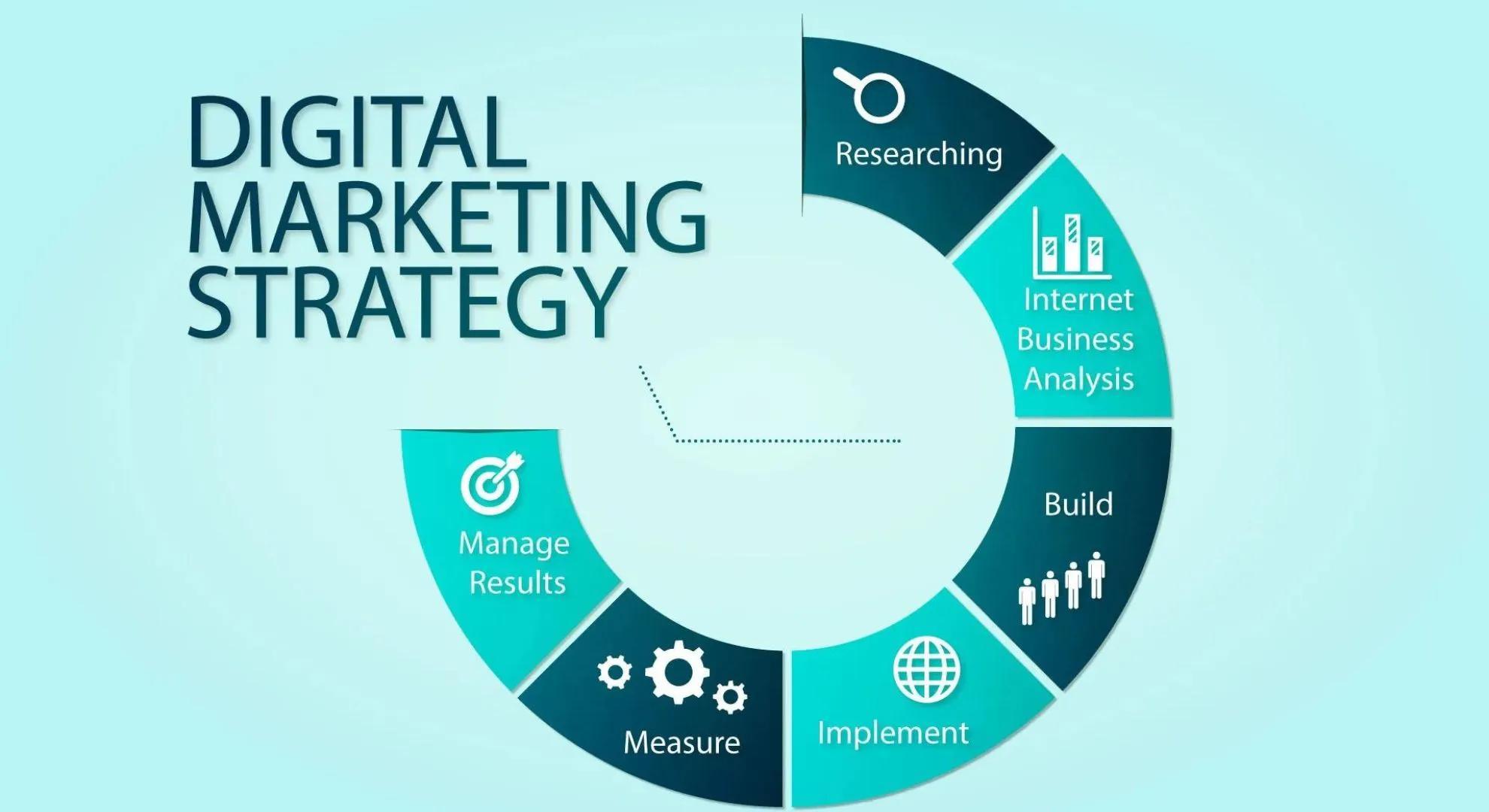 .
.
What Is a Digital Marketing Strategy (And Why Competitors Win)?
A digital marketing strategy is a structured, data-driven plan to attract, engage, and convert customers online.
Businesses that rank higher focus on:
- SEO-driven content
- Conversion optimization
- Data-backed decisions
If you’re not doing this, your competitors already have an edge.
Step 1: Set Revenue-Focused Goals (Not Vanity Metrics)
Most businesses fail because they chase traffic-not revenue.
Winning approach:
- Focus on leads, sales, and ROI
- Set KPIs like cost-per-lead (CPL) and conversion rate
Step 2: Build High-Intent Buyer Personas
Stop targeting “everyone.”
Instead, identify:
- Search intent (informational vs transactional)
- Pain points
- Buying triggers
This is how you create a digital marketing strategy that converts-not just attracts.
Step 3: Competitor SEO Analysis (Your Secret Weapon)
To outrank competitors, you must reverse-engineer them.
Analyze:
- Keywords they rank for
- Backlink profile
- Top-performing pages
Use tools and insights from https://ahrefs.com/ (outbound link) to uncover ranking opportunities.
Step 4: Advanced Keyword Strategy (Ranking Engine)
Your keyword strategy determines your visibility.
Focus on:
- Primary keyword: digital marketing strategy
- Long-tail keywords:
- digital marketing strategy for small business
- step-by-step digital marketing plan
- how to create a digital marketing strategy
Use keywords in:
- H1, H2, H3 tags
- First 100 words
- Meta tags
- Image alt text
Step 5: Create SEO-Optimized, Authority Content
Content is your #1 ranking factor.
To outrank competitors:
- Write long-form (1000–1500+ words)
- Use structured headings
- Add internal + external links
- Answer user intent better than competitors
Need expert help? Visit https://digitalhappiness.in to build high-ranking content that converts.
Step 6: Multi-Channel Domination Strategy
Top brands don’t rely on one channel.
Winning mix:
- SEO (long-term traffic)
- Google Ads (instant leads)
- Social media (brand awareness)
- Email marketing (retention)
Step 7: Conversion Rate Optimization (CRO)
Traffic without conversion = wasted money.
Optimize:
- Landing pages
- CTA placement
- Page speed
- Mobile UX
Even a 1% increase in conversion can double revenue.
Step 8: Technical SEO Advantage
Most competitors ignore this-huge opportunity for you.
Optimize:
- Site speed
- Mobile responsiveness
- Core Web Vitals
- Clean URL structure
Step 9: Data-Driven Growth & Scaling
What gets measured gets improved.
Track:
- Organic traffic
- Conversion rates
- ROI
Use data to refine your digital marketing strategy continuously.
Why Most Businesses Fail (And How You Win)
No clear strategy
Ignoring SEO
Weak content
No conversion focus
You win by:
- Following a structured blueprint
- Focusing on high-intent keywords
- Optimizing for conversions
Strong CTA (Lead Generation Focus)
Your competitors are already investing in smarter strategies.
Don’t fall behind. Visit https://digitalhappiness.in and let our experts build a result-driven digital marketing strategy that helps you rank higher, generate leads, and scale faster.
Frequently Asked Questions (FAQs)
1. What is a digital marketing strategy?
A digital marketing strategy is a structured plan that businesses use to promote their products or services online using channels like SEO, social media, paid ads, and email marketing. It focuses on achieving specific goals such as increasing traffic, generating leads, and boosting conversions.
2. Why is a digital marketing strategy important in 2026?
A strong digital marketing strategy is essential in 2026 because competition is higher than ever. Without a clear plan, businesses struggle to rank on Google, attract the right audience, and convert visitors into customers.
3. How do I create a marketing strategy step-by-step?
To create an effective digital marketing strategy, follow these steps:
- Define clear goals
- Identify your target audience
- Conduct competitor research
- Perform keyword research
- Create high-quality content
- Choose the right marketing channels
- Optimize for conversions
- Track and improve performance
4. What are the best tools for digital marketing strategy?
Some of the best tools include:
- Google Analytics (for tracking performance)
- Google Search Console (for SEO insights)
- Ahrefs (for competitor and keyword research)
- SEMrush (for SEO and paid marketing analysis)
5. How long does a marketing strategy take to show results?
Results from a digital marketing strategy depend on the channel:
- SEO: 3–6 months
- Paid Ads: Immediate results
- Content Marketing: 2-4 months
Consistency and optimization play a key role in faster results.
6. What is the difference between marketing strategy and tactics?
A digital marketing strategy is the overall plan, while tactics are the specific actions (like running ads, posting on social media, or writing blogs) used to execute that plan.
7. How can I outrank my competitors using a marketing strategy?
To outrank competitors:
- Target high-intent keywords
- Create better and longer content
- Optimize your website for SEO
- Build quality backlinks
- Improve user experience and page speed
8. What is the role of SEO in a marketing strategy?
SEO is the backbone of any digital marketing strategy. It helps your website rank higher on search engines, drive organic traffic, and attract potential customers without paying for ads.
9. How do I measure the success of my digital marketing strategy?
You can measure success using key metrics like:
- Website traffic
- Conversion rate
- Cost per lead (CPL)
- Return on investment (ROI)
10. Should I hire a marketing agency or do it myself?
If you lack time, expertise, or resources, hiring an agency is the best option. Experts can create a data-driven digital marketing strategy that delivers faster and more effective results.
You can explore professional services at https://digitalhappiness.in to scale your business efficiently.